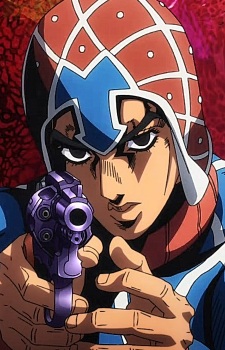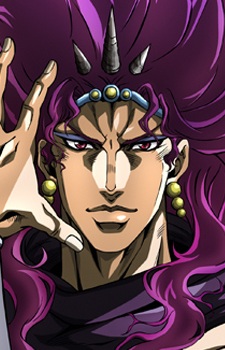
JoJo's Bizarre Adventure figures

ジョジョの奇妙な冒険

7.54 finished_airing 6 episodes ova 1993 - 1994
Studio: APPP
Adventure Drama Fantasy Horror Shounen Supernatural Vampire

About JoJo's Bizarre Adventure

JoJo's Bizarre Adventure Anime Overview

JoJo's Bizarre Adventure figures are a natural extension of a series that has built its identity around unforgettable silhouettes, dramatic poses, and a cast that changes with every era. As an anime franchise, JoJo's Bizarre Adventure stands apart through its multi-generational structure, following the Joestar bloodline across different countries, time periods, and conflicts. Each major part introduces a new lead, a new supporting cast, and a fresh mood, while still preserving the larger family legacy that connects the story from one generation to the next.

Created by Hirohiko Araki, JoJo's Bizarre Adventure began as a manga in 1987 and later grew into one of the most recognizable long-running action series in Japanese pop culture. The modern television anime adaptation brought the series to a wider international audience, with David Production adapting the story from Phantom Blood onward. The result is a franchise that feels both classic and constantly renewed, because each arc has its own identity while still belonging to the same larger saga.

What makes JoJo's Bizarre Adventure anime especially distinctive is the way it treats reinvention as a core feature rather than a risk. One part may feel like gothic horror, another like a globe-spanning adventure, another like a tense small-town mystery, and another like a stylish mafia drama. That constant transformation keeps the series lively and gives JoJo's Bizarre Adventure characters a rare amount of room to stand out on their own.

JoJo's Bizarre Adventure Story and Characters

At its heart, JoJo's Bizarre Adventure is a story about inheritance, rivalry, and the strange burden of destiny. The earliest conflict begins with Jonathan Joestar and Dio Brando, and that rivalry casts a long shadow over later generations. Instead of remaining with a single hero for hundreds of episodes, the series moves forward through the Joestar family line, allowing each protagonist to define the title "JoJo" in a different way.

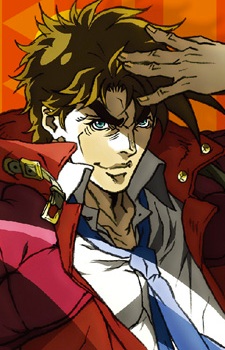
Jonathan Joestar embodies the noble and earnest foundation of the series. His clash with Dio Brando gives the opening arc a tragic intensity, establishing the mix of melodrama and supernatural conflict that would become essential to the franchise. Joseph Joestar then shifts the tone with sharper humor, cunning improvisation, and a more playful energy, proving that a JoJo hero does not need to win through dignity alone.

Jotaro Kujo is perhaps the most internationally recognized lead among JoJo's Bizarre Adventure characters. His stern presence, cool confidence, and central role in Stardust Crusaders helped define the franchise for many viewers. His journey across continents to confront Dio turns the series into a road adventure filled with escalating Stand battles, memorable allies, and a villain whose influence reaches far beyond a single arc.

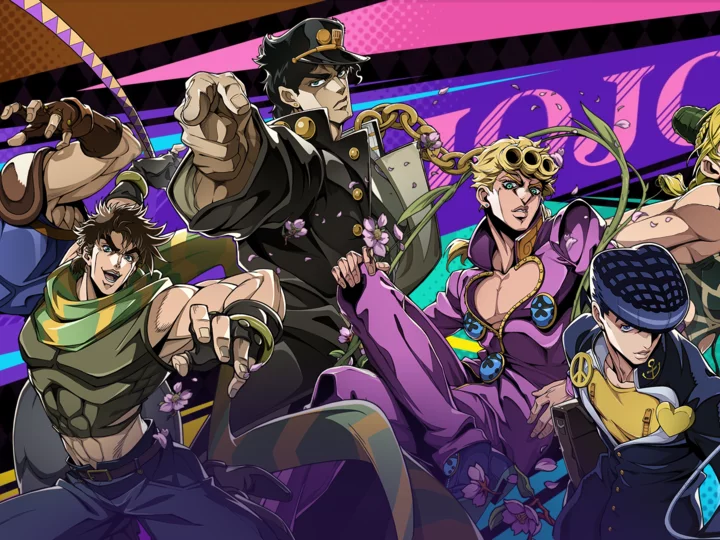
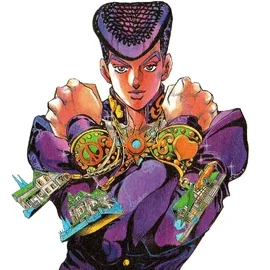
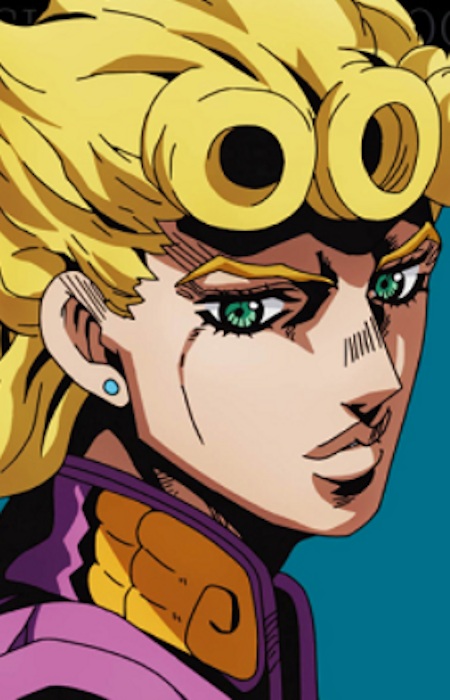
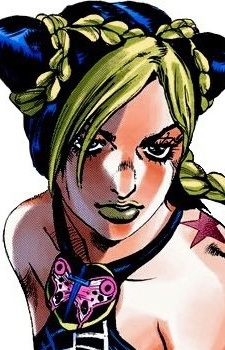
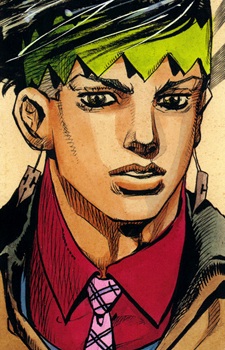
Later protagonists continue that pattern of reinvention. Josuke Higashikata brings warmth and local loyalty to a story centered on a strange town full of hidden dangers. Giorno Giovanna gives Golden Wind a more ambitious and controlled atmosphere, balancing elegance with ruthless determination. Jolyne Cujoh adds another major shift, combining resilience, emotional directness, and a prison setting that changes the pace of the narrative without losing the series' identity.

The antagonists are just as important as the heroes. Dio remains the defining presence, but JoJo's Bizarre Adventure also thrives on villains and rivals whose powers, personalities, and motives make each confrontation feel like a puzzle. The cast is rarely built around generic good and evil. Instead, characters are exaggerated, theatrical, and deeply specific, which is one reason the series continues to inspire such dedicated discussion.

JoJo's Bizarre Adventure Worldbuilding and Powers

Although JoJo's Bizarre Adventure travels through many locations, its world is not defined by a single fantasy map. Its strength lies in how supernatural ideas are layered onto a recognizable reality. Victorian England, New York, Egypt, a quiet Japanese town, Italy, and a Florida prison all become stages for extraordinary conflict. That grounded framework makes the bizarre elements feel even more striking.

In the earlier story, the primary supernatural system is Hamon, a breathing-based martial art that channels energy in a way associated with sunlight. Hamon gives the first arcs a distinctive feel, combining physical discipline with an almost mystical elegance. Later, the series introduces Stands, spiritual manifestations with highly individualized abilities. This change becomes one of the most important turning points in the franchise.

Stand battles are rarely simple contests of strength. They are often battles of interpretation, timing, and psychological pressure. A powerful Stand matters, but intelligence, nerve, and creativity matter just as much. That structure is a major reason JoJo's Bizarre Adventure anime remains so memorable. The fights invite the viewer to think through strange rules and sudden reversals rather than simply waiting for a stronger attack.

Because every part adds new abilities and new applications of existing ideas, the power system never feels static. Even when the series becomes more complex, it still leaves room for character expression. A Stand is not just a weapon. It often reflects temperament, fear, obsession, ambition, or personal style, which helps tie the action scenes directly to character writing.

JoJo's Bizarre Adventure Themes and Style

JoJo's Bizarre Adventure is famous for excess, but its style is not empty spectacle. Under the dramatic poses, intense color design, and flamboyant fashion references lies a series deeply concerned with bloodlines, human will, sacrifice, and transformation. The Joestar family inherits more than a name. Its members inherit unfinished conflicts, moral choices, and the responsibility to confront forces that return in new forms.

The theme of destiny runs through the franchise, yet JoJo's Bizarre Adventure rarely treats fate as absolute. Characters survive by adapting, outthinking, or refusing the roles imposed on them. That tension between destiny and self-determination gives the story emotional momentum, especially when different generations face echoes of earlier struggles.

Visually, the series is instantly recognizable. Araki's influence can be seen in the angular poses, bold silhouettes, and fashion-conscious designs that separate JoJo's Bizarre Adventure from more conventional action anime. The anime adaptation embraces that heritage with stylized color shifts, strong visual contrast, and a willingness to make scenes feel theatrical rather than purely realistic. That artistic confidence is one reason the franchise remains so visually fresh even decades after its beginning.

Humor is another essential part of the experience. Even in tense arcs, the series makes room for absurd reactions, eccentric side characters, and deliberately exaggerated dialogue. That balance between sincerity and strangeness is difficult to imitate. JoJo's Bizarre Adventure can be dramatic, frightening, ridiculous, and triumphant in the same episode without losing control of its tone.

JoJo's Bizarre Adventure Animation and Production

The anime history of JoJo's Bizarre Adventure includes more than one adaptation, but the modern television version is the one that firmly established the franchise for a broad global audience. David Production approached the material with clear respect for its visual identity, preserving famous poses, memorable expressions, and a sense of heightened drama that suits the source material exceptionally well.

One of the studio's strengths is its understanding that each part should feel slightly different. The pacing, atmosphere, and visual emphasis shift depending on the arc. Phantom Blood carries a more gothic tone, Stardust Crusaders feels expansive and episodic, Diamond Is Unbreakable leans into tension within an apparently ordinary town, and Golden Wind adds a polished sense of danger and ambition. That willingness to let each chapter of the franchise have its own texture is essential to the anime's success.

Music, voice acting, and timing also play major roles. The anime knows when to let a confrontation breathe and when to heighten it with sudden impact. Memorable openings, strong vocal performances, and careful adaptation of signature scenes helped turn long-time manga material into a modern anime phenomenon without sanding away its eccentricity.

JoJo's Bizarre Adventure Popularity and Impact

Few long-running series have influenced anime and manga culture in quite the same way as JoJo's Bizarre Adventure. Its poses, expressions, quoted lines, and visual references have spread far beyond the series itself. Fans recognize its fingerprints in memes, fashion conversations, game homages, and discussions of how stylized action can still feel emotionally grounded.

The franchise has also proven remarkably durable because each era attracts a slightly different audience. Some viewers prefer the gothic drama of the early arcs, others the Stand-centered strategy of Stardust Crusaders, and others the more unusual atmosphere of later parts. That range helps explain why JoJo's Bizarre Adventure anime continues to stay relevant across generations of fans rather than belonging only to one nostalgic moment.

Its broader impact can also be seen in how confidently it embraces individuality. JoJo's Bizarre Adventure characters are rarely designed to feel safe or interchangeable. They are exaggerated on purpose, and that boldness has inspired admiration across anime, illustration, fashion, and collectible culture. It is a series that rewards personality, and that same quality has helped it maintain a strong presence in merchandise and figure collecting.

JoJo's Bizarre Adventure Figures and Merchandise

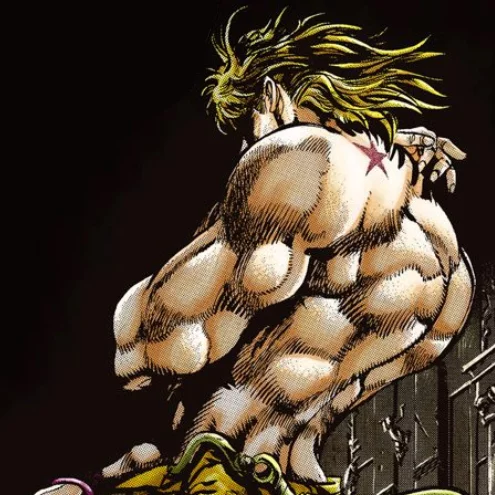
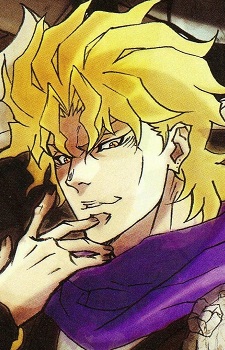
JoJo's Bizarre Adventure figures reflect exactly what makes the series memorable: strong character design, dramatic poses, and instantly recognizable costumes. Jotaro Kujo remains one of the most collected names in the lineup, often appearing in anime figures that emphasize his coat, hat, and imposing stance. Dio is another standout, with figure releases that capture his theatrical confidence and villainous charisma. Giorno Giovanna, with his ornate design and calm intensity, is especially well suited to detailed scale figures, while Joseph Joestar and Jolyne Cujoh also continue to receive attention from collectors who want a broader Joestar display.

The range of merchandise suits different styles of collecting. Nendoroids highlight the cast in a more compact and expressive form, while Pop Up Parade releases offer accessible display options for fans who want recognizable character presence without moving into the highest price bracket. Prize figures remain popular for casual collectors, and scale figures give sculptors room to focus on texture, movement, and signature poses that fit JoJo's Bizarre Adventure so well.

Beyond figures, the series has also inspired apparel, accessories, art books, and other collectibles built around its iconic visual language. Still, anime figures remain one of the strongest ways to appreciate how distinct the cast looks from one part to another. Browse the full JoJo's Bizarre Adventure figure collection at Online Otaku, from Nendoroids to scale figures, sorted by character.
Created by: Araki, Hirohiko
Published by: VIZ Media
Year started: 1986
JoJo's Bizarre Adventure JoJo's Bizarre Adventure
Sources