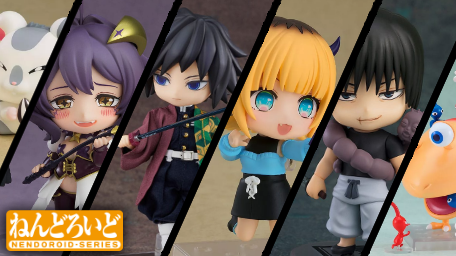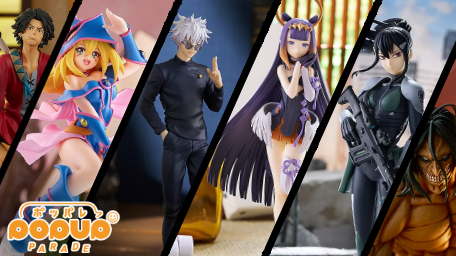
In addition, of course, we have much more to offer. Looking for a specific brand? Look no further!
Top anime figure brands
Top Hentai figure brands
Top other merchandise brands
In addition, of course, we have much more to offer. Looking for a specific brand? Look no further!
Top series
Top series
Top series
In addition, of course, we have much more to offer. Looking for a specific series? Look no further!

Hatsune Miku figures capture one of the most recognizable virtual singers ever created. In Hatsune Miku, she is not just a character design attached to software, but a creative icon built around music, illustration, live performances, and fan participation. Crypton Future Media describes Hatsune Miku as music software that lets users make their computer sing by entering lyrics and melodies, and notes that she quickly grew into a global cultural phenomenon as users began creating and sharing songs and videos online.
What makes Miku especially distinctive is that her identity works on two levels at once. She is a software voicebank with a defined visual profile, but she is also a flexible character interpreted by countless artists, musicians, and figure designers. That unusual combination is a major reason she has remained so prominent for so long. Rather than belonging to one fixed story, Hatsune Miku exists across songs, concerts, collaborations, games, and merchandise, which gives her a much broader presence than a typical anime heroine.
Within Hatsune Miku merchandise, that flexibility is one of her greatest strengths. Her core design is instantly recognizable, yet it also adapts naturally to anniversary visuals, seasonal outfits, concert costumes, racing themes, and artist collaborations. That is why Hatsune Miku collectibles have such a wide reach: even when the styling changes dramatically, the character remains easy to identify.
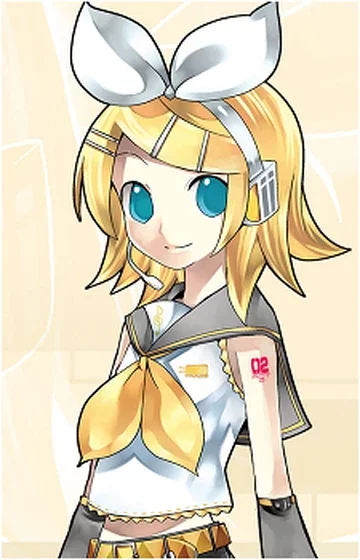
Hatsune Miku has one of the clearest visual identities in modern Japanese pop culture. Her most famous features are her extremely long blue-green twin-tails, futuristic sleeveless outfit, detached arm covers, pleated skirt, and tall boots. The official Piapro character page lists her image color as blue-green, and that color association remains central to almost every version of her design. Even when artists reinterpret her outfit, the twin-tails and color palette usually keep her immediately recognizable.
A lot of her visual strength comes from balance. Miku’s design looks futuristic, but not so complicated that it loses clarity. It feels energetic and stylized, yet simple enough to work across many formats, from concert visuals to chibi merchandise to large-scale figures. That balance explains why she is so effective in figure form. Her silhouette is strong from a distance, while the finer details of her hair, tie, sleeves, and skirt give sculptors room to create movement and texture.
Another reason her appearance works so well is that it was never locked into one single emotional reading. Depending on the illustration, Miku can look bright, elegant, futuristic, theatrical, cute, or almost ethereal. Official figure releases show that range clearly, from more standard designs to anniversary visuals and concert-inspired costumes. That variety makes an anime figure of Hatsune Miku especially appealing, because collectors are not limited to one version of the character’s look.
Hatsune Miku is unusual compared with most character pages because she does not have one fixed canon personality in the traditional sense. The official material frames her less as a story character with a locked biography and more as a creative platform and virtual singer whose voice and image can be used in many different ways. That means her personality often depends on the song, artwork, performance, or collaboration in which she appears.
Even so, certain impressions have become strongly associated with her over time. Miku is often perceived as energetic, youthful, expressive, and creative. Her visual design and musical presence lend themselves naturally to upbeat, futuristic, and emotionally open interpretations, though some works present her in a softer or more reflective way. This adaptability is part of what makes her enduringly interesting. She can represent excitement and motion in one project, then elegance or melancholy in another, without feeling out of character.
That flexibility also shapes how collectors relate to her. People are often drawn not just to one version of Miku, but to the idea that she can be reimagined while still remaining unmistakably herself. In practical terms, that gives Hatsune Miku figures a broader emotional range than many single-design characters. One release may emphasize playful charm, another concert-stage glamour, and another a more artistic or ceremonial mood.
Hatsune Miku’s defining “ability” is not combat, but music creation and performance. According to the official Piapro site, she is software developed by Crypton Future Media that allows users to make their computer sing by entering melodies and lyrics. Her importance comes from voice synthesis, user creativity, and the enormous body of music produced with her voicebank. In that sense, her core power is artistic rather than physical: she is designed to be sung through, remixed, interpreted, and staged by creators.
That artistic function expands into performance as well. The official site notes that the Piapro Characters, especially Hatsune Miku, appear in 3D-projection concerts, while broader coverage of Miku emphasizes her role in live events, cross-media collaborations, and large-scale virtual performances. This gives her a kind of performance identity that is unique among collectible characters. She is not only represented through art and software, but also through stage presence.
If her abilities are understood in character-page terms rather than technical ones, then Miku’s real strength is adaptability. She can move between software, music videos, rhythm games, stage events, racing collaborations, and high-end figure lines without losing recognizability. That kind of cross-medium consistency is a major reason she remains so visible. Rather than having one narrative skill set, Hatsune Miku’s power lies in how effectively her image supports creative reinvention.
Hatsune Miku does not revolve around one continuous canon plot, so her story significance comes from cultural development rather than a single narrative arc. The official Piapro page explains that after the release of the software, users began posting songs and videos online in large numbers, which pushed further remixing, collaboration, and creative participation. That process is one of the most important parts of Miku’s story. She became significant because people used her, reshaped her, and built a creative ecosystem around her.
Another major element is her transformation from software mascot into a global virtual performer. The official site points to her involvement in merchandising and live performance, while broader coverage describes the way she expanded beyond music software into a much wider media identity. That shift matters because it explains why Hatsune Miku feels larger than a normal product mascot. Her development is tied to communities, events, concerts, and collaborations across many industries.
Her official character stats, iconic visual design, and association with Crypton’s Piapro Characters gave her a recognizable base, but it was the scale of user participation that made her culturally durable. That combination of official framework and open-ended creative use is what defines her significance. Hatsune Miku matters not because of one dramatic backstory, but because she became a shared character space for music and visual creation.
Hatsune Miku stands out because she is both highly branded and unusually open-ended. Her age, height, color identity, and signature design are clearly defined by official sources, yet the way people experience her is often personal and project-specific. That makes her memorable in a different way from most anime or game characters. She is not tied to one series arc or one definitive interpretation, and that freedom has helped her remain relevant across music, art, games, and collecting.
Her impact is also easy to see in merchandise. Few characters support as many legitimate reinterpretations while remaining this instantly recognizable. From standard character designs to racing themes, symphony outfits, anniversary releases, and large-scale artistic figures, Miku continues to work across very different figure styles. That range is a big part of why she remains one of the most collectible virtual singer characters in the market.
Hatsune Miku translates exceptionally well into figure form because her design has both clarity and flexibility. Her twin-tails create dramatic motion, her blue-green color palette stands out instantly, and her futuristic outfit gives sculptors plenty of shape and contrast to work with. At the same time, she adapts naturally to alternate costumes, which is why collectors can move from a classic Miku figure to a concert visual, seasonal version, or artist collaboration without losing the core appeal of the character.
For Hatsune Miku, real figure types include Nendoroids, scale figures, Pop Up Parade releases, and prize figures. Good Smile has released many Nendoroids, including standard and anniversary versions, along with multiple Pop Up Parade figures and numerous scale figures such as V3, NT, 15th Anniversary, Happy 16th Birthday, and Japan Live Tour 2025 releases. Prize-style Miku figures are also common through Taito’s lineup, including its long-running Miku prize series and AMP/AMP+ releases.
What makes Hatsune Miku figures especially compelling is the sheer variety of moods they can capture. Some focus on her standard virtual idol look, others lean into elegant illustration-based designs, while prize figures often highlight bold, accessible display appeal. That range makes it easy to build a collection around different sides of the same character. To explore the collection at Online Otaku, browse the Hatsune Miku figures and compare which version best fits your display.